Chat or status: decide who it is for
A Diwali card sent in a private chat and one posted on your WhatsApp status do different jobs. A chat message is personal: it carries one person's name and reads like you thought of them. A status is a notice board: everyone in your contacts may see it, and it disappears after about a day.
So put a name on the cards you send one by one, and keep your status general, or put your own family name on it, such as "Happy Diwali from the Sharma family". Posting a status with one friend's name on it tends to confuse everyone else who sees it.
Making a card with a name
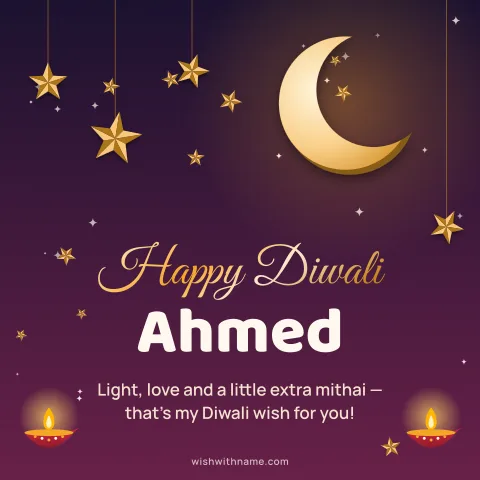
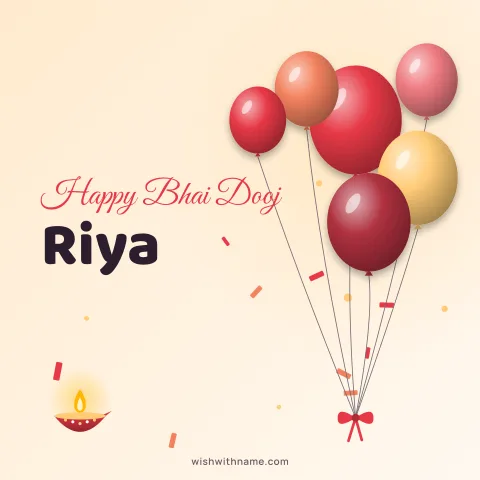
Open the Diwali wishes with name page and type the name. The diya, rangoli and sparkle designs all update together, so you can choose by looking rather than by guessing. Everything is drawn in your browser; there is no app to install and no account to create.
If you are sending to many people, start with those closest to you and change only the name between cards. It takes seconds per person, and a card that says "Happy Diwali, Nani" means more than a forwarded picture that says nothing in particular. Popular names also have ready-made pages, such as Diwali cards for Priya, with several designs already rendered.
The right size for each place
Use the square card (1080×1080) for chats and groups. It shows in full in the chat window without cropping. For your status, pick the tall story size (1080×1920), which fills a phone screen from top to bottom. A square card posted to status works too, but it sits in the middle with empty space above and below.
Download the PNG, or tap Share and choose WhatsApp from the share sheet. WhatsApp usually compresses images sent as photos, so if the lettering looks soft afterwards, see how to send a card without losing quality.
Choosing a wish to go with it
The card says "Happy Diwali"; the message is where you can say something real. The Diwali page has a list of original wishes, short and long, and each shows whether it fits in a WhatsApp status, an Instagram caption, a single SMS or an X post. WhatsApp text statuses are usually limited to about 700 characters, so the longer wishes belong in a chat.
Match the wish to the person. A colleague gets something polite and short; a grandparent gets the warm, long one; a cousin you grew up with can get the funny one about the sweets. Many wishes carry the name too, so after you type it, the text is personalised as well as the card.
Hindi, Urdu and Bengali wishes
Not everyone you wish reads English first. The wishes list has tabs for Hindi, Urdu and Bengali, written natively in each language rather than translated word by word. Sending a grandmother a wish in her own language is often the one that gets a reply.
One practical note: an SMS in Hindi, Urdu or Bengali holds about 70 characters instead of 160, so a long wish in those scripts may be split into several messages. On WhatsApp this does not matter.
All five days of Diwali
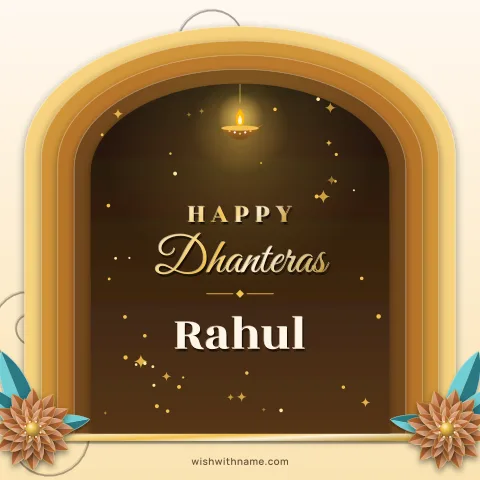
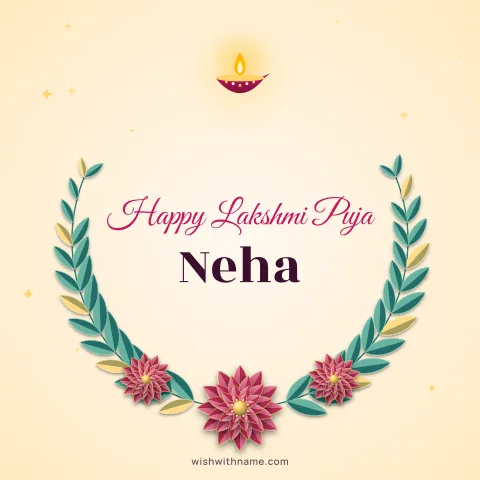
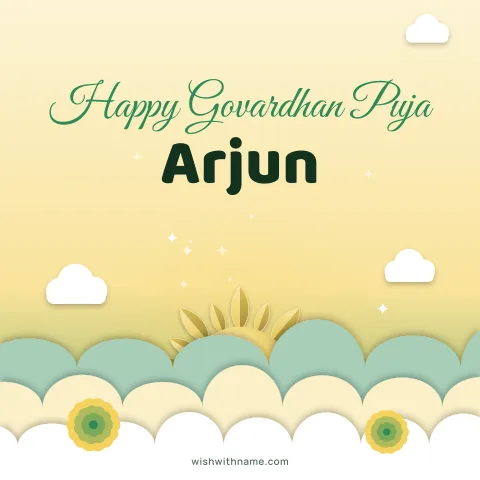
Diwali is a run of festive days, and each has its own cards: Dhanteras, Choti Diwali, Lakshmi Puja and Bhai Dooj. Sending one card on each day, rather than five on the main night, spreads the greetings out and keeps family groups calmer. The festival calendar lists this year's dates.